
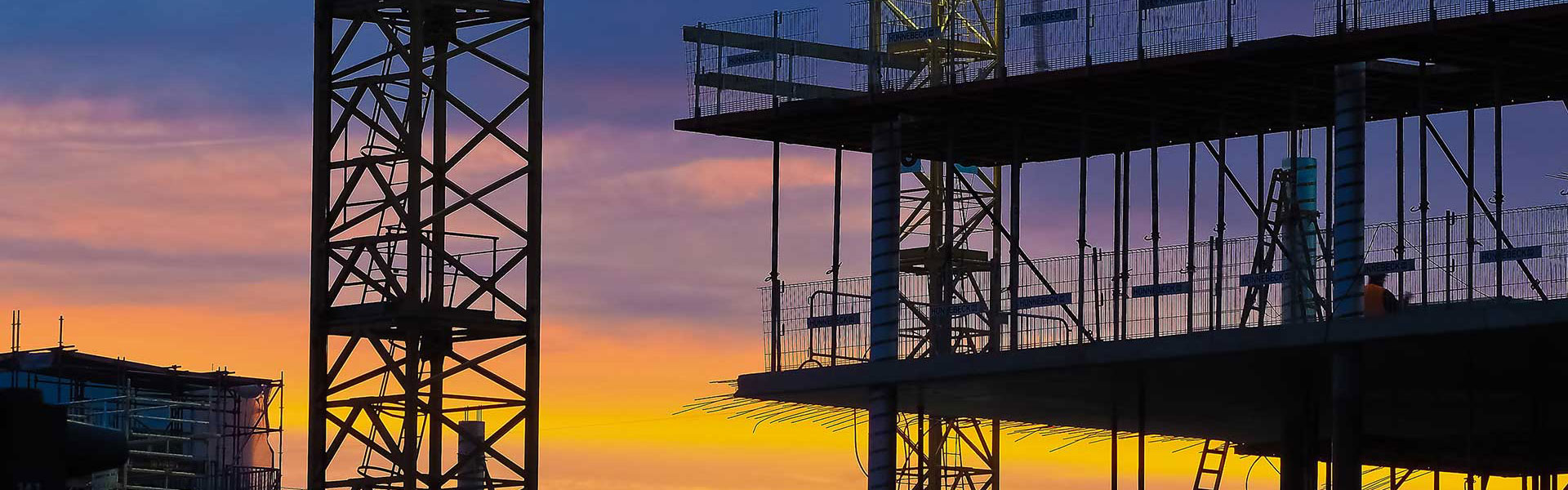
- Creative engineering solutions featuring https://epmodels.co.uk inspire model builders everywhere
- Precision Engineering and Material Selection
- The Role of CAD and CAM in Model Making
- Enhancing Realism Through Detailing Techniques
- The Art of Weathering and Aging
- The Digital Revolution in Model Railways
- Software for Layout Design and Operation
- The Growing Popularity of Scale Modeling
- Beyond the Build: Display & Preservation
Creative engineering solutions featuring https://epmodels.co.uk inspire model builders everywhere
The world of model building is a captivating hobby enjoyed by enthusiasts of all ages and skill levels. From intricate architectural representations to detailed replicas of vehicles and aircraft, the possibilities are seemingly endless. Central to facilitating this passion is access to high-quality materials and innovative solutions. This is where companies like https://epmodels.co.uk play a crucial role, providing a diverse range of products and services to support the creative endeavors of model builders. They strive to meet the evolving demands of the hobby, constantly adapting and incorporating new technologies into their offerings.
The key to a successful model building project often lies in the details, and having the right tools and components can make all the difference. Whether a builder is a seasoned professional or a beginner just starting out, finding resources that cater to their specific needs is paramount. Beyond simply supplying materials, many companies actively foster a community around the hobby, offering guidance, inspiration, and opportunities for collaboration. The accessibility of information and support has dramatically expanded in recent years, making it easier than ever to pursue this rewarding pastime. Dedicated online platforms and forums help enthusiasts share techniques, showcase their work, and learn from one another.
Precision Engineering and Material Selection
The foundation of any impressive model lies in precise engineering and the careful selection of materials. Model builders frequently require components that offer both structural integrity and aesthetic appeal. Scaled-down versions of real-world objects demand accuracy, and materials must be chosen to replicate the textures and finishes of the originals. Companies specializing in model building supplies understand these requirements and provide materials like various plastics, metals, woods, and composites tailored to specific applications. The development of new materials is an ongoing process, with manufacturers continuously striving to improve the performance and workability of their products. This includes exploring new types of polymers, lightweight alloys, and innovative adhesives for bonding different materials effectively.
The Role of CAD and CAM in Model Making
Computer-aided design (CAD) and computer-aided manufacturing (CAM) technologies have revolutionized the model-making process, particularly for complex and highly detailed projects. CAD software allows designers to create precise digital models, which can then be translated into physical forms using CAM techniques such as 3D printing, laser cutting, and CNC machining. This level of precision and repeatability was previously unattainable with traditional hand-building methods. Furthermore, CAD/CAM allows for rapid prototyping and iteration, enabling designers to quickly test and refine their designs before committing to a final product. The integration of these technologies has opened up new possibilities for creating intricate and highly customized models.
| Material | Typical Applications | Pros | Cons |
|---|---|---|---|
| ABS Plastic | Model cars, airplanes, figures | Durable, easy to machine, good surface finish | Can be brittle, susceptible to UV damage |
| Acrylic | Display cases, architectural models | Transparent, strong, weather resistant | Can be expensive, prone to scratching |
| Balsa Wood | Aircraft, architectural models | Lightweight, easy to work with, affordable | Fragile, requires sealing and finishing |
| Brass | Detailed components, historical models | Strong, machinable, aesthetically pleasing | Heavy, can tarnish |
Utilizing the correct materials, combined with accurate designs, is fundamental to achieving a professional and visually stunning result. The availability and quality of these materials significantly impact the capabilities of model builders, and companies like EP Models contribute to elevating the standards within the hobby.
Enhancing Realism Through Detailing Techniques
Beyond the basic structure of a model, the level of detail is what truly sets exceptional work apart. Adding realistic features, such as weathering effects, intricate surface textures, and accurate color schemes, can transform a simple model into a captivating work of art. Model builders employ a wide range of techniques to achieve this level of realism, including airbrushing, dry brushing, washes, and the application of photo-etched parts. These techniques require skill, patience, and a keen eye for detail. The availability of specialized tools and paints designed specifically for model building simplifies these processes, enabling builders to create highly convincing replicas. Investing time in mastering detailing techniques is crucial for creating models that capture the essence of the subject matter.
The Art of Weathering and Aging
Weathering and aging are techniques used to simulate the effects of time, exposure to the elements, and wear and tear on a model. This can involve applying washes to highlight panel lines and recesses, adding rust and corrosion effects, or simulating chipped paint and scratches. These details can dramatically enhance the realism of a model, making it appear more authentic and believable. There are various methods for weathering, ranging from simple dry brushing to more advanced techniques like using pigments and oil paints. Skillful application of weathering effects requires a thorough understanding of how real-world objects age and degrade over time. Researching the specific subject matter is essential to accurately replicate the appropriate weathering patterns. Resources like reference photos and historical documentation can provide valuable insights.
- Airbrushing for smooth, even paint application.
- Dry brushing to highlight surface details and edges.
- Washes to accentuate panel lines and recesses.
- Photo-etching for adding fine details and structural elements.
- Decal application for realistic markings and insignia.
Mastering these detailing techniques elevates model building from a simple assembly process to a true artistic pursuit, and the resources available from specialist suppliers are paramount.
The Digital Revolution in Model Railways
Model railways have experienced a significant transformation in recent decades, driven by advancements in digital control systems and computerization. Traditional analog control systems have given way to digital command control (DCC), which allows for independent control of multiple locomotives on the same track. DCC systems offer features like realistic sound effects, lighting control, and the ability to program locomotive functions. This level of sophistication has dramatically enhanced the realism and operational capabilities of model railways. Furthermore, software applications enable model railroaders to design track layouts, simulate train movements, and manage complex operating schedules. The integration of digital technologies has breathed new life into the hobby, attracting a new generation of enthusiasts.
Software for Layout Design and Operation
Specialized software packages are available to assist model railroaders in planning and operating their layouts. These programs allow users to create detailed track plans, experiment with different configurations, and visualize the finished layout. Some software even includes features for simulating train movements, calculating grades and curves, and managing signal systems. Advanced programs can integrate with DCC control systems, allowing for automated operation and realistic traffic patterns. These tools are invaluable for complex layouts, enabling model railroaders to optimize their designs and ensure smooth and reliable operation. The ability to virtually test and refine a layout before physically building it saves time, money, and frustration.
- Plan the track layout using dedicated software.
- Install the track and wiring according to the design.
- Connect the DCC control system and program locomotives.
- Test and refine the layout, adjusting track and signals as needed.
- Add scenery and details to create a realistic environment.
The blend of traditional craftsmanship with modern technology provides model railway enthusiasts with unprecedented levels of control and realism, a field constantly bolstered by innovative suppliers.
The Growing Popularity of Scale Modeling
Scale modeling, encompassing a wide array of subjects—from military vehicles and aircraft to ships and figures—has experienced a surge in popularity in recent years. This is partly due to the increasing accessibility of high-quality kits and aftermarket accessories, as well as the growing online community of modelers. The hobby appeals to individuals with a passion for history, engineering, and artistry. Building a scale model requires patience, precision, and attention to detail, but the satisfaction of completing a realistic and accurate replica is immensely rewarding. The availability of detailed reference materials, such as photographs, drawings, and historical documentation, allows modelers to strive for ever greater levels of accuracy.
Beyond the Build: Display & Preservation
Completing a model is only part of the journey; proper display and preservation are also essential. A well-presented model deserves a showcase that protects it from dust, damage, and fading. Display cases specifically designed for model building are available in a variety of sizes and configurations, offering both protection and visual appeal. Consider the lighting to highlight the model’s details effectively, and choose a background that complements the subject matter. Beyond mere display, responsible preservation ensures that the craftsmanship and effort invested in the model endure for generations. The careful handling and storage of materials, along with the use of archival quality adhesives and paints, can significantly extend the lifespan of a model. Sharing the finished work with others – online or at local shows – further contributes to the preservation of this art form and inspires others to take up the hobby. The passion for model building is truly a testament to human creativity and dedication, and resources like those from https://epmodels.co.uk are instrumental in supporting it.
The future of model building looks bright, with a continuous stream of innovation and a passionate community driving the hobby forward. New techniques and materials are constantly emerging, expanding the possibilities for creativity and realism. The increasing accessibility of information and resources, combined with the growing popularity of online communities, ensures that model building will continue to thrive for years to come. Furthermore, the therapeutic benefits of engaging in a hands-on, detail-oriented hobby are becoming increasingly recognized, adding another dimension to its appeal.

Leave a Reply